Is It Necessary to Eat or Drink Only After Seeing the Moon on Karwa Chauth? Can Women Have Fruits, Juice, or Tea in the Afternoon? Know the Fasting Rules and Important Guidelines
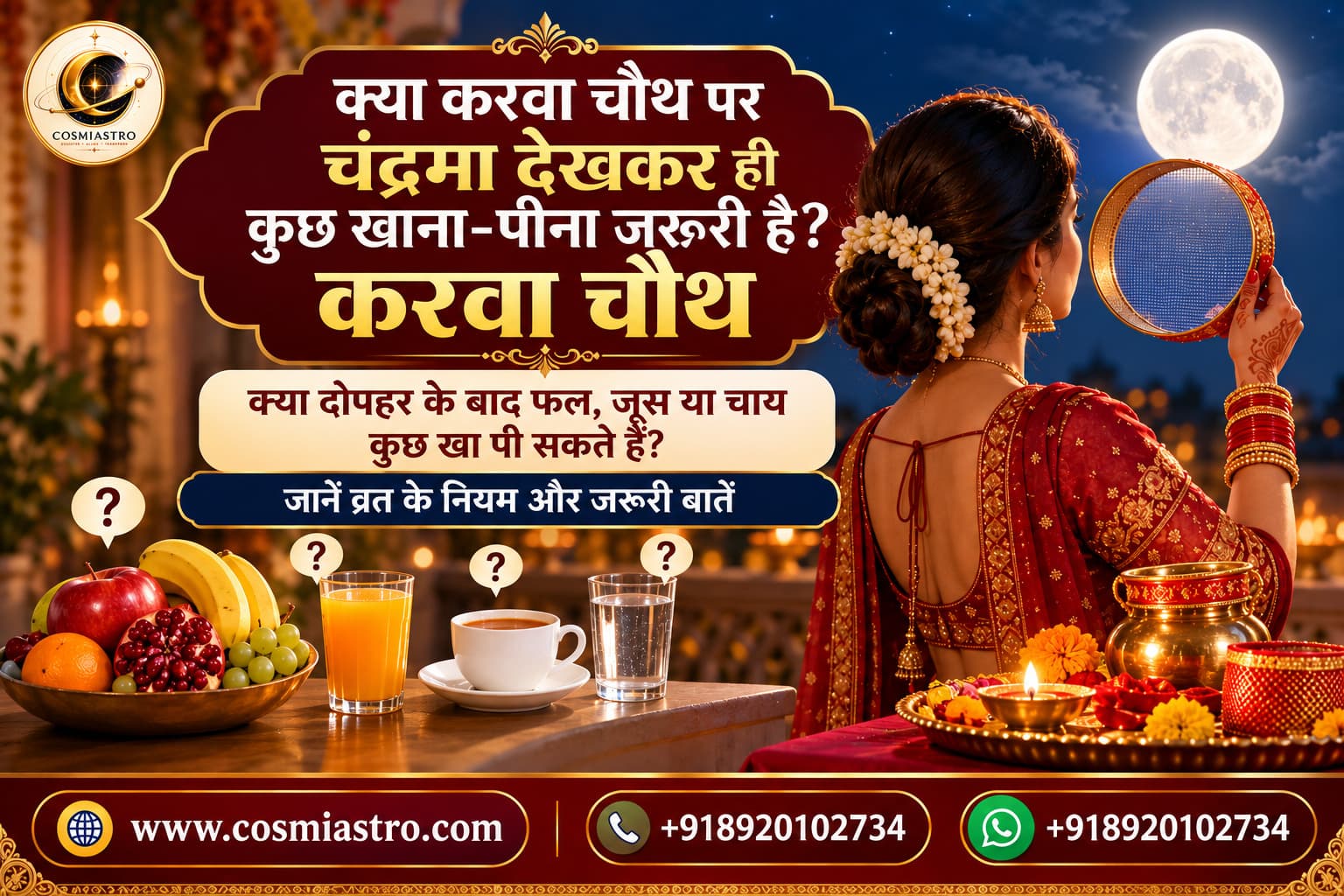
Karwa Chauth Fasting Rules: Can Women Eat Fruits, Drink Juice, Tea, or Water Before Moonrise?
Karwa Chauth is one of the most sacred and significant festivals in Hindu tradition. This festival symbolizes love, trust, dedication, and a happy married life between husband and wife. On this day, married women traditionally observe a fast while praying for their husbands' long lives, good health, and happiness in their marital relationships.
Karwa Chauth is considered especially significant because, according to its traditional fasting practice, women observe a fast from sunrise until moonrise without eating food or drinking water. This type of fasting is known as a Nirjala Vrat, which means fasting without food or water.
However, in modern times, many women have several important questions regarding the rules of Karwa Chauth fasting.
Is it compulsory to wait until moonrise before eating or drinking anything on Karwa Chauth? Can women eat fruits after noon? Is it permissible to drink juice, milk, tea, or water during the Karwa Chauth fast? What should a woman do if she experiences weakness, dizziness, or excessive thirst?
Some women observe a complete Nirjala fast throughout the day, while others choose to consume fruits, water, or other suitable foods according to their health conditions, age, and family traditions.
In such situations, it becomes important to understand the traditional religious practices of Karwa Chauth, the customs followed by different families, and the precautions women should take to protect their health.
In this special Cosmiastro Karwa Chauth Blog, we will discuss all these questions in detail so that women can make informed decisions while respecting their faith, family traditions, and personal health.
What Is Karwa Chauth Vrat and What Is Its Religious Significance?
According to the Hindu calendar, Karwa Chauth is observed on the fourth day of the Krishna Paksha during the month of Kartik. Due to differences in regional calendar systems, the same festival may also be described as falling in the month of Ashwin.
Karwa Chauth is especially popular in several regions of North India, including Punjab, Haryana, Delhi, Rajasthan, Uttar Pradesh, and surrounding areas.
On this day, women traditionally worship Lord Shiva, Goddess Parvati, Lord Ganesha, and Chauth Mata.
According to Hindu religious beliefs, Goddess Parvati symbolizes marital devotion, auspiciousness, and blessings for a happy married life.
Women listen to the Karwa Chauth Vrat Katha, perform prayers, observe traditional Solah Shringar (sixteen adornments), and conclude their fast after offering Arghya (water) to the Moon.
In many families, after moon sighting, the husband offers water to his wife to help her break the fast.
However, the exact rituals and fasting practices may vary across regions, communities, and individual families.
Is It Necessary to Eat or Drink Only After Seeing the Moon on Karwa Chauth?
According to the traditional Nirjala Karwa Chauth fast, women consume food and water only after sighting the Moon and completing the evening prayers.
During this traditional fast, women do not eat anything or drink water from sunrise until moonrise.
In the evening, after performing Karwa Chauth Puja and listening to the fasting story, women wait for the Moon to appear.
Once the Moon becomes visible, they perform Chandra Darshan (moon sighting), offer Arghya, and break their fast according to their family customs.
However, it is essential to understand one important distinction.
Eating and drinking after moonrise is part of the traditional Nirjala fasting practice. It does not mean that every woman must observe a waterless fast regardless of her health condition.
If a woman cannot safely observe a Nirjala fast due to medical or personal health reasons, she may consider modifying the fasting practice according to her circumstances, faith, and family traditions.
She may also consult a knowledgeable priest or religious guide regarding the customary fasting arrangements.
From a health perspective, if food, water, or medication is required, there is no medical reason to wait until moonrise.
Can Women Eat Fruits After Noon on Karwa Chauth?
This is one of the most frequently asked questions regarding Karwa Chauth fasting.
The answer depends on the type of fast a woman has chosen to observe.
1. If You Are Observing a Traditional Nirjala Karwa Chauth Fast
In a traditional Nirjala fast, no food, including fruits, is consumed between sunrise and moon sighting.
Therefore, eating apples, bananas, pomegranates, papayas, or any other fruit in the afternoon would mean that the prescribed waterless fasting practice is no longer being followed.
2. If You Are Observing a Fruit-Based Fast (Phalahar Vrat)
Some women choose to observe a fruit-based fast due to health requirements or family customs.
In such cases, eating fruits after noon may be consistent with the fasting arrangement they have chosen.
Women may include apples, bananas, pomegranates, papayas, or other suitable fruits in their Phalahar diet.
3. If You Experience Weakness During the Fast
If you experience severe weakness, dizziness, shaking, or other signs of illness while fasting, prioritize your health.
Drink water or eat something as needed, and seek medical assistance when necessary.
Cosmiastro Special Tip: Whether you should eat fruits during Karwa Chauth depends not only on religious customs but also on your health condition and the type of fast you are observing.
Can Women Drink Juice During the Karwa Chauth Fast?
Many women also wonder whether they can drink fruit juice during Karwa Chauth.
If you are observing a traditional Nirjala fast, drinking juice before moonrise is not part of that fasting practice.
However, if you are observing a modified fast that allows liquids due to health considerations, drinking juice may be an option.
Which Juices Can Be Consumed During Karwa Chauth?
If your fasting arrangement permits fruits and liquids, you may consider the following options according to your health needs:
- - Coconut water
- - Fresh sweet lime juice
- - Pomegranate juice
- - Orange juice
- - Fruit juice without added sugar
Remember that eating whole fruits generally provides more dietary fiber than drinking their juice.
If you have diabetes, fruit juice may cause a rapid increase in blood sugar levels. In such situations, choose fruits and juices according to your doctor's or dietitian's recommendations.
Does Drinking Juice After Noon Break the Karwa Chauth Fast?
According to the traditional rules of Nirjala fasting, drinking juice ends the waterless fast.
However, if you have decided from the beginning to observe a fruit-based or liquid-permitted fast, its rules may be different.
Whether such a practice is considered religiously acceptable within your tradition may depend on your family customs and the guidance of a knowledgeable religious adviser.
Can Women Drink Tea During the Karwa Chauth Fast?
Many women are accustomed to drinking tea in the morning or evening. Therefore, whether tea is allowed during Karwa Chauth is another frequently asked question.
Drinking Tea During a Nirjala Fast
If you are observing a traditional Nirjala fast, drinking tea before moonrise is not consistent with its customary rules.
Drinking Tea During a Fruit-Based Fast
If you are observing a modified fast that permits liquids, drinking tea may depend on your personal fasting arrangement and family customs.
However, drinking tea on an empty stomach may cause acidity, nausea, nervousness, or stomach discomfort in some people.
Tea also contains caffeine. Therefore, drinking tea after going without food for many hours may not be suitable for everyone.
Can Women Drink Milk Tea During Karwa Chauth?
Milk tea is also not consumed during a traditional Nirjala fast.
If you are consuming liquids for health reasons, water or another suitable beverage may be a better choice than tea.
Important Note: Women who regularly drink tea may experience headaches when they skip their usual caffeine intake. However, headaches during fasting may also result from dehydration or other causes. Severe or unusual symptoms should not be ignored or automatically attributed to missing tea.
Can Women Drink Water on Karwa Chauth?
During the traditional Nirjala Karwa Chauth fast, women do not drink water from sunrise until moonrise.
This is why the fast is called Nirjala, meaning without water.
However, remaining without water for an extended period may lead to dehydration, particularly during hot weather, physical activity, or when certain health conditions are present.
Possible symptoms of dehydration include excessive thirst, dry mouth, headache, dizziness, weakness, and reduced urination.
If such symptoms occur, it is important to drink water and seek medical advice when necessary.
If a woman experiences fainting, confusion, severe weakness, or other serious symptoms, immediate medical attention should be sought.
Religious faith is important, but continuing a fast despite significant health risks is not medically advisable.
What Is the Importance of Eating Sargi Before Karwa Chauth?
The tradition of Sargi is especially popular among many Punjabi and North Indian families.
Sargi refers to the meal eaten before the fast begins, generally before sunrise.
In many families, the mother-in-law gives Sargi to her daughter-in-law. This tradition symbolizes family affection, blessings, and a sense of belonging.
Depending on family customs, Sargi may include fruits, dry fruits, sweets, feniyan, parathas, and other traditional dishes.
What Should Women Eat in Sargi?
If you are planning to observe a fast, eating a balanced meal during Sargi may be helpful.
You may include:
- - Seasonal fruits
- - Yogurt or milk, if suitable for you
- - Whole-grain foods
- - A moderate quantity of nuts
- - Protein-rich foods
- - Adequate water before the fast begins
Eating excessively salty, sugary, or heavy foods may increase thirst or cause digestive discomfort in some people.
Remember that eating a nutritious Sargi does not guarantee that a Nirjala fast will be safe for everyone.
Can Women Eat Fruits, Drink Milk, or Water After Noon and Still Perform Moon Puja in the Evening?
This is an important question for many women.
Yes. A woman who has consumed fruits, water, or other suitable foods for health or personal reasons can still participate in the evening Karwa Chauth Puja and moon-sighting rituals.
However, her fasting arrangement would be different from a traditional Nirjala fast.
The religious interpretation of such a fast may vary according to family customs, regional practices, and community traditions.
Some women observe a complete Nirjala fast, while others perform the evening prayers after following a modified fasting routine for health reasons.
It is important to recognize the difference between these practices.
A woman should not ignore her health needs simply to participate in moon worship.
If you wish to follow your family's religious traditions, you can discuss the fasting procedure with family elders or a knowledgeable priest beforehand.
Which Women Should Take Special Precautions Before Observing a Nirjala Karwa Chauth Fast?
Every woman's physical condition is different. Therefore, the same fasting practice may not be suitable for everyone.
Women in the following situations should seek medical advice before considering a waterless fast.
1. Pregnant Women
During pregnancy, the body requires adequate nutrition and hydration.
Remaining without food or water for long periods may create health risks for some pregnant women.
Therefore, pregnant women should consult their doctor before considering a Nirjala fast.
2. Breastfeeding Mothers
Breastfeeding may increase the body's need for fluids and energy.
Women who are breastfeeding should seek medical guidance before observing a waterless fast.
3. Women With Diabetes
For women with diabetes, fasting for long periods may cause blood sugar levels to become too low or too high.
Extra precautions are especially important for women taking insulin or certain diabetes medications.
Do not change the dosage or timing of prescribed medication without consulting your healthcare professional.
4. Women With Low Blood Pressure or Frequent Dizziness
Women who already experience low blood pressure, fainting, or frequent dizziness may face additional difficulties during a Nirjala fast.
5. Women With Kidney Disease or Other Serious Health Conditions
A waterless fast may be risky for women with kidney disease, a tendency toward dehydration, or medical conditions requiring regular food and water intake.
6. Women Taking Regular Medication
If a medication must be taken with food or water, it should not be skipped or delayed simply because of fasting.
Follow your doctor's instructions regarding prescribed medicines.
What Should Women Do If They Experience Weakness or Dizziness During Karwa Chauth?
Some women may experience mild tiredness while fasting, but severe weakness, dizziness, or fainting should not be considered normal.
If you feel dizzy, immediately sit or lie down in a safe place.
If you are fully conscious and able to swallow normally, drink water or consume suitable food as needed.
If low blood sugar is suspected, particularly in women with diabetes, follow the treatment plan recommended by your healthcare professional.
If you experience fainting, confusion, chest pain, breathing difficulties, or severe weakness, seek immediate medical attention.
Do not ignore serious health symptoms simply to wait for moonrise.
Three Different Ways Women May Observe Karwa Chauth Fasting
The traditional Karwa Chauth practice is primarily associated with Nirjala fasting. However, different arrangements may be followed according to individual and family circumstances.
| Type of Fast | What Can Be Consumed? | Important Consideration |
|---|---|---|
| Traditional Nirjala Fast | No food or water until moon sighting | Health risks must be considered |
| Fruit-Based Fast (Phalahar) | Fruits or other permitted foods at specified times | Rules may vary according to family and religious traditions |
| Health-Modified Fast | Necessary food, water, and medication | Medical advice and personal health should take priority |
This table does not establish a single religious rule for all families. Its purpose is to explain the differences between various fasting arrangements.
What Is the Significance of Offering Arghya to the Moon on Karwa Chauth?
Offering Arghya to the Moon holds special importance in traditional Karwa Chauth rituals.
In Hindu religious traditions, the Moon is associated with the mind, peace, emotions, and gentleness.
In Vedic astrology, the Moon is also considered a significator of the mind and emotional life.
On the evening of Karwa Chauth, women traditionally sight the Moon and offer water according to their family customs.
In many families, women also look at the Moon through a sieve and then look at their husbands' faces.
Afterward, the husband traditionally offers water to his wife to help her break the fast.
These customs are an important part of the cultural and family identity of Karwa Chauth.
However, the exact Puja procedure may differ by region, community, and family.
What Should Women Do If the Moon Is Not Visible on Karwa Chauth?
Sometimes, clouds, rain, fog, or poor weather conditions make it difficult to see the Moon.
In such situations, women often wonder whether they can break their fast without directly seeing the Moon.
Different families and religious traditions may follow different procedures in this situation.
Some families perform the Puja according to the local moonrise time and guidance from their priest.
However, it would not be correct to assume that every tradition follows exactly the same rule once the published moonrise time has passed.
Therefore, if the Moon is not visible, consult a knowledgeable religious adviser or follow your established family customs.
If you are experiencing a health problem, do not delay drinking water, eating food, or seeking medical assistance while waiting for the Moon to become visible.
What Should Women Eat First After Breaking the Karwa Chauth Fast?
After fasting throughout the day, suddenly eating a very large meal may cause heaviness, acidity, or digestive discomfort in some people.
Therefore, it may be better to resume eating gradually according to your health condition.
1. Start With Water
If you have observed a Nirjala fast and can drink normally, begin by drinking water slowly.
2. Choose Light Meals
After breaking the fast, you may eat khichdi, dal, roti, vegetables, or other foods that are comfortable for your digestion.
3. Avoid Eating Too Much Fried or Spicy Food at Once
Very oily or heavily spiced meals may cause discomfort in some people.
4. Eat According to Your Body's Needs
After the fast, adequate hydration and balanced nutrition are important.
5. Pay Attention to Medication
If you take regular medication, follow the timing and instructions provided by your doctor.
Is It Considered Inauspicious to Break the Karwa Chauth Fast Before Moonrise?
This question causes concern among many women.
In religious traditions, fasting is associated with faith, devotion, and personal commitment. Some families attach special importance to following the prescribed fasting procedure.
However, there is no reliable scientific evidence that breaking a fast because of illness, dehydration, or another health concern will definitely cause misfortune.
From a religious perspective, different traditions may offer different guidance regarding an incomplete fast.
If a woman becomes unwell and cannot safely continue fasting, she should prioritize her health.
If she wishes, she may later consult a knowledgeable religious adviser regarding any customary prayers or rituals.
A woman's ability or inability to observe a fast should not be treated as a measure of her love, devotion, or the quality of her marriage.
Can Husbands Also Observe the Karwa Chauth Fast?
Traditionally, Karwa Chauth is observed by married women for their husbands.
However, some husbands today also choose to observe the fast alongside their wives.
This can be a personal decision.
If both husband and wife decide to fast, they should consider their individual health conditions.
The significance of Karwa Chauth is not limited to the difficulty of fasting. The festival also represents love, respect, trust, and mutual support within a marriage.
Important Things to Remember While Performing Karwa Chauth Puja
While preparing for Karwa Chauth Puja, follow your family traditions and customary practices.
The Puja commonly includes items such as a Karwa (earthen pot), diya, roli, akshat (rice grains), flowers, water, and other traditional materials. The exact items and procedures may vary by region.
Women traditionally listen to the Karwa Chauth Vrat Katha and perform prayers according to their customs.
In the evening, moon sighting and offering Arghya are important parts of the traditional ritual.
If you are fasting, avoid unnecessary physical exertion and prolonged exposure to excessive heat.
Pay attention to any unusual changes in your health.
For specific religious questions about the Puja or fasting procedure, guidance from a trusted religious adviser familiar with your family's traditions may be helpful.
10 Frequently Asked Questions About Karwa Chauth Fasting Rules (FAQs)
Question 1. Is it compulsory to eat or drink only after seeing the Moon on Karwa Chauth?
Answer: According to the traditional Nirjala Karwa Chauth fast, food and water are consumed only after moon sighting and completing the evening prayers. However, if food or water is medically necessary, there is no need to wait until moonrise.
Question 2. Can women eat fruits after noon on Karwa Chauth?
Answer: Fruits are not eaten before moon sighting during a traditional Nirjala fast. However, women observing a fruit-based fast may consume fruits according to their chosen fasting arrangement.
Question 3. Can women drink juice during the Karwa Chauth fast?
Answer: Juice is not consumed during a traditional Nirjala fast. Women following a modified fasting arrangement that permits liquids may drink juice if it is suitable for their health condition.
Question 4. Can women drink tea during Karwa Chauth?
Answer: Tea is not consumed during a Nirjala fast. During a modified fast, drinking tea may depend on personal and family practices. However, tea on an empty stomach may cause acidity or discomfort in some people.
Question 5. Does drinking water break the Karwa Chauth fast?
Answer: According to traditional Nirjala fasting rules, drinking water ends the waterless fast. However, if water is needed for health reasons, it should not be withheld.
Question 6. Can pregnant women observe a Nirjala Karwa Chauth fast?
Answer: Remaining without food and water for an extended period may be risky during pregnancy. Pregnant women should consult their doctor before considering a Nirjala fast.
Question 7. Can women drink milk during Karwa Chauth?
Answer: Milk is not consumed during a traditional Nirjala fast. If you are following a health-modified fast that allows liquids, milk may be consumed according to your tolerance and nutritional requirements.
Question 8. What should women do if they feel dizzy during Karwa Chauth?
Answer: Sit or lie down immediately, drink water or eat something as needed, and seek medical assistance when necessary. Do not continue fasting if serious symptoms develop.
Question 9. Can women perform Moon Puja after eating fruits?
Answer: Women who observe a fruit-based or health-modified fast can still participate in Moon Puja. However, the religious interpretation and specific rituals may vary according to family traditions.
Question 10. What is the correct time to break the Karwa Chauth fast?
Answer: Traditionally, the Karwa Chauth fast is broken after moonrise, moon sighting, and the evening Puja. If a health problem occurs, necessary food or water should not be delayed.
Conclusion – Can Women Eat or Drink Anything Before Seeing the Moon on Karwa Chauth?
Karwa Chauth is an important festival that celebrates love, trust, devotion, and the marital relationship.
Traditionally, married women observe a Nirjala fast from sunrise until moon sighting on this day.
According to customary religious practices, the fast is broken after offering Arghya to the Moon and completing the evening Puja.
Therefore, if you are observing a traditional Nirjala fast, consuming fruits, juice, milk, tea, or water before moon sighting is not consistent with that fasting practice.
However, if you choose to observe a fruit-based or liquid-permitted fast because of health or personal circumstances, your fasting arrangement will be different.
The most important thing to remember is that no religious fast should require you to put your health at serious risk.
If you have diabetes, are pregnant or breastfeeding, experience low blood pressure, have kidney disease, or live with another medical condition, consult your doctor before considering a Nirjala fast.
The true significance of Karwa Chauth also lies in love, respect, trust, and mutual support between husband and wife.
Respecting your faith and family traditions while taking care of your health is a responsible and thoughtful approach.
Contact Cosmiastro – For Karwa Chauth Puja, Fasting Traditions, and Astrological Guidance
Do you want to learn more about the traditional religious rules associated with Karwa Chauth fasting?
Are you interested in understanding Karwa Chauth Puja Vidhi, the astrological significance of the Moon, auspicious Puja timings, or matters related to your birth chart?
At Cosmiastro, you can inquire about personalized guidance related to Karwa Chauth traditions, the Moon's significance in Vedic astrology, zodiac signs, Nakshatras, birth charts, and other traditional astrological subjects.
For medical or health-related questions, always consult a qualified healthcare professional.
Website: www.cosmiastro.com
Phone Number: +91 8920102734
WhatsApp Number: +91 8920102734
Contact Us on WhatsApp: Chat with Cosmiastro on WhatsApp
Cosmiastro wishes you and your family a very Happy Karwa Chauth!
May your married life be filled with love, trust, good health, happiness, and mutual respect.